This is the ultimate guide for a freelance recruiter. This blog will give you all the tips and tricks you need to build a successful freelance recruiter business.

Are you thinking about becoming a freelance recruiter? Whether you’re looking for flexibility, higher earning potential, or the chance to build your own brand, freelancing in recruitment offers exciting opportunities. In this guide, we’ll walk you through everything you need to know, from getting started and finding clients to managing candidates and scaling your business, so you can succeed as an independent recruiter.

Contents

  1. What is a Freelance Recruiter?
  2. Why Choose Freelance Recruiting?
  3. Essential Skills for Freelance Recruiters
  4. Getting Started: Step-by-Step
  5. Building Your Network & Pipeline
  6. The Recruitment Process
  7. Pricing, Negotiation & Closing Deals
  8. Common Challenges & How to Overcome Them
  9. Scaling Your Freelance Recruiting Business
  10. Tools to Help You Succeed
  11. Conclusion

1. What is a Freelance Recruiter?

A freelance recruiter, also known as an independent recruiter, works on a contract or project basis rather than being employed full-time by an agency or company. Your role is to connect talented candidates with the right businesses, acting as a bridge between skilled professionals and companies in need of talent.

The freelance model has grown significantly in recent years. With the rise of the gig economy and more companies valuing flexibility, freelance recruiters are in high demand. You can specialise in a niche, choose your clients, and structure your work around your lifestyle, all while building your own brand.

Learn more about what a freelance recruiter does.

2. Why Choose Freelance Recruiting?

Here are the main reasons why becoming a freelance recruiter can be a game-changer:

  • Flexibility & Autonomy: Set your own schedule, choose your clients, and decide how much you want to work.
  • Higher Earning Potential: Commission-based work often allows you to earn more than a salaried recruitment role (What can you earn as a Freelance Recruiter).
  • Industry Specialisation: Focus on sectors you know well, your expertise increases your value.
  • Variety of Work: Every client and role brings something new, keeping work exciting.
  • Personal Brand Control: Grow your own reputation rather than representing an agency.

Freelance recruiting is a smart career choice for those who want freedom, control, and the potential for higher earnings.

For tips on starting your own recruitment agency, see our how to start a recruitment agency guide.

3. Essential Skills for Freelance Recruiters

Successful freelance recruiters need a mix of soft and technical skills:

  • Communication: Build trust with clients and candidates.
  • Sales & Negotiation: Present your value and negotiate deals effectively.
  • Industry Knowledge: Stay up to date with recruitment trends and market demand.
  • Sourcing Expertise: Use LinkedIn, job boards, referrals, and networking strategically.
  • Time Management: Handle multiple clients and roles efficiently.
  • Resilience: Overcome rejection, delays, and unexpected challenges.
  • Networking: Continuously grow relationships with candidates, clients, and other recruiters.

Boost your sourcing efficiency with our bulk email tool for recruiters.

4. Getting Started: Step-by-Step

Define Your Niche

Specialising in a niche allows you to position yourself as an expert and charge premium rates. Areas like tech, finance, engineering, or healthcare are all in high demand.

Learn why niche recruiters outperform generalists.

Set Up Your Business

  • Register your business and manage legal obligations.
  • Create a professional email and website. Use Giig Hire’s free website builder.
  • Decide your pricing model:
    • Contingency fee: Percentage of candidate’s salary (10 to 30%).
    • Retainer fee: Upfront plus balance on placement.
    • Project/hourly rate: For specific tasks like sourcing or screening.

Contracts & Legal Considerations

  • Draft standard agreements covering fees, payment terms, and confidentiality.
  • Protect yourself legally with clear terms for clients and candidates.

Learn more about recruitment software for small business to streamline operations.

5. Building Your Network & Pipeline

Finding Clients

  • Identify target clients: startups, SMEs, or companies in your niche.
  • Use personalised outreach via email or LinkedIn.
  • Showcase your value with case studies and testimonials.
  • Track leads and client relationships using Giig Hire’s free CRM.

Building Candidate Relationships

  • Listen actively to candidates’ goals.
  • Conduct thorough interviews to assess skills and cultural fit.
  • Maintain a talent pool for future roles.
  • Use an ATS to manage candidate data efficiently.

Need help sourcing candidates quickly? See our guide on candidate sourcing best practices.

Learn more about effective talent pipelines.

6. The Recruitment Process

  1. Briefing: Understand client needs, role requirements, and culture.
  2. Job Descriptions: Write clear, compelling descriptions.
  3. Sourcing: Use multiple channels: job boards, LinkedIn, referrals.
  4. Screening: Evaluate skills, experience, and cultural fit.
  5. Presenting Candidates: Offer a shortlist with insights and recommendations.
  6. Negotiation & Closure: Facilitate offers and counteroffers.
  7. Onboarding: Ensure smooth transitions for successful placements.

For detailed best practices, see LinkedIn Talent Solutions guide.

7. Pricing, Negotiation & Closing Deals

  • Be transparent about pricing and terms from the start.
  • Demonstrate your value: reduce risk, save time, and deliver quality candidates.
  • Negotiate ethically and aim for win-win outcomes.
  • Plan for challenges like counteroffers, client delays, or changing requirements.

8. Common Challenges & How to Overcome Them

  • Dry Periods: Use quiet times to improve processes, learn new skills, or create content.
  • Competition: Differentiate yourself through niche expertise and excellent client service.
  • Candidate Drop-Outs: Communicate clearly and maintain strong relationships.
  • Scaling: Bring on partners or associates, or leverage automation tools.

For more tips on scaling, see our guide on how to save time when recruiting.

Read more about freelance recruiting challenges.

9. Scaling Your Freelance Recruiting Business

  • Hire or Partner: Expand your team strategically.
  • Expand Services: Offer interview coaching, onboarding, or retained search.
  • Automate & Systemise: Use tools like Giig Hire’s ATS and CRM.
  • Brand Building: Publish content, host webinars, and speak at industry events.

Learn more about scaling freelance recruiting

10. Tools to Help You Succeed

Giig Hire provides essential tools for freelance recruiters:

  • ATS: Manage candidates and job listings efficiently.
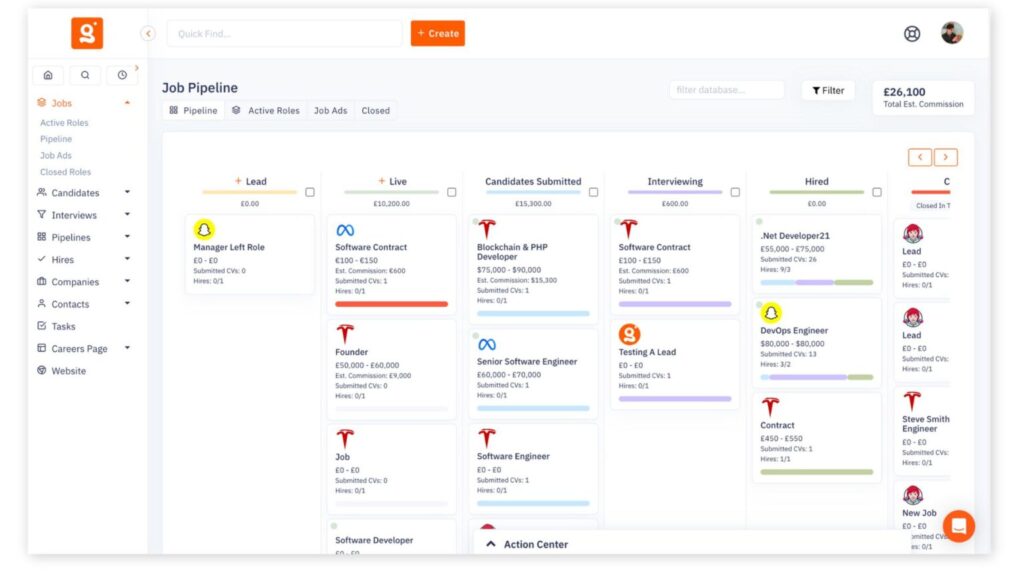
  • CRM: Keep track of client relationships, leads and your pipeline.
  • Website Builder: Launch a professional site quickly.

These tools help reduce administrative work, letting you focus on placements and client satisfaction.

Conclusion

Becoming a freelance recruiter is an exciting and rewarding. By building the right skills, creating clear processes, and using tools like Giig Hire’s ATS, CRM, and website builder, you can grow a profitable freelance recruiting business. Challenges will come, but each is an opportunity to refine your approach, expand your network, and demonstrate your value.

Stay consistent, focus on clients and candidates, and lean into your niche, it takes time so trust the process.